 Official Store · Authenticity Guaranteed
US$3,500.00US$6,000.00
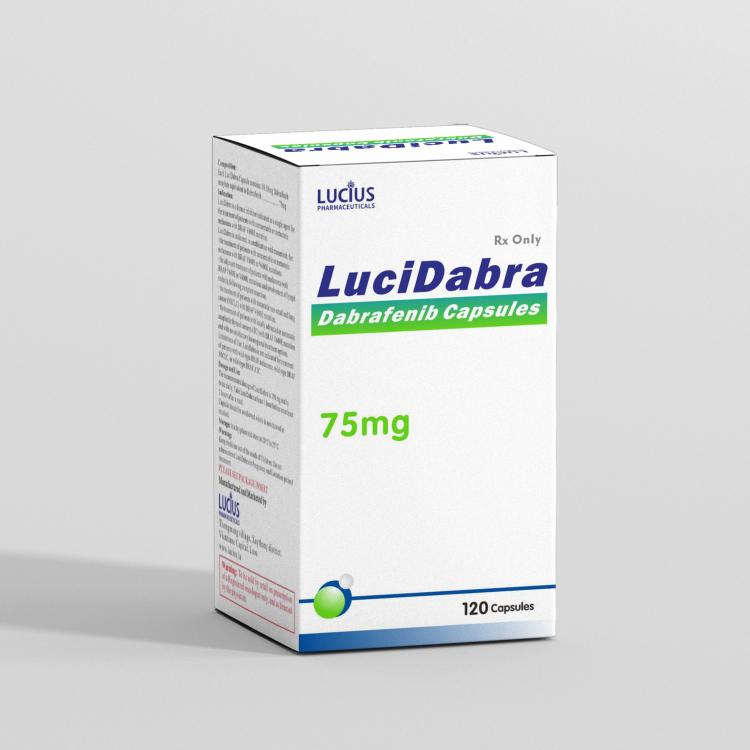
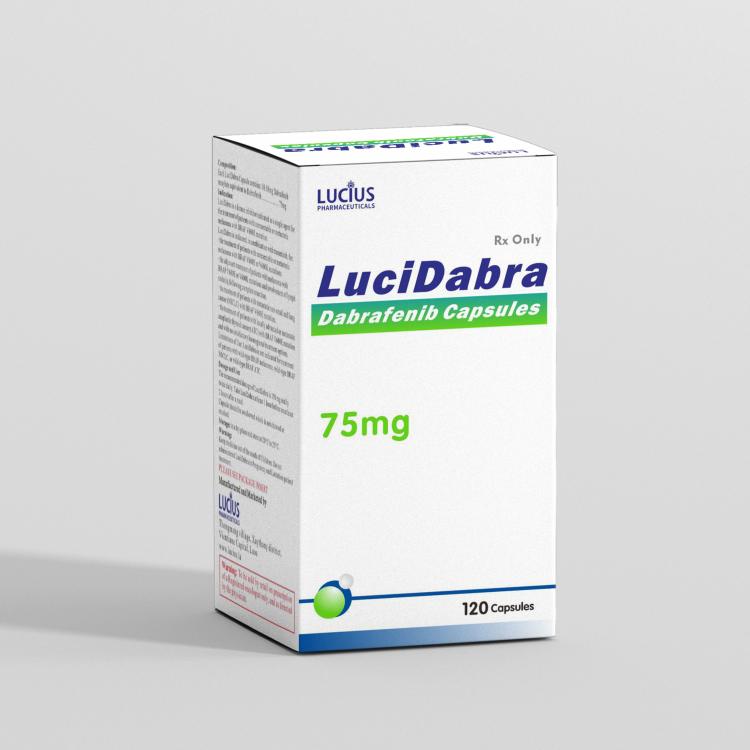
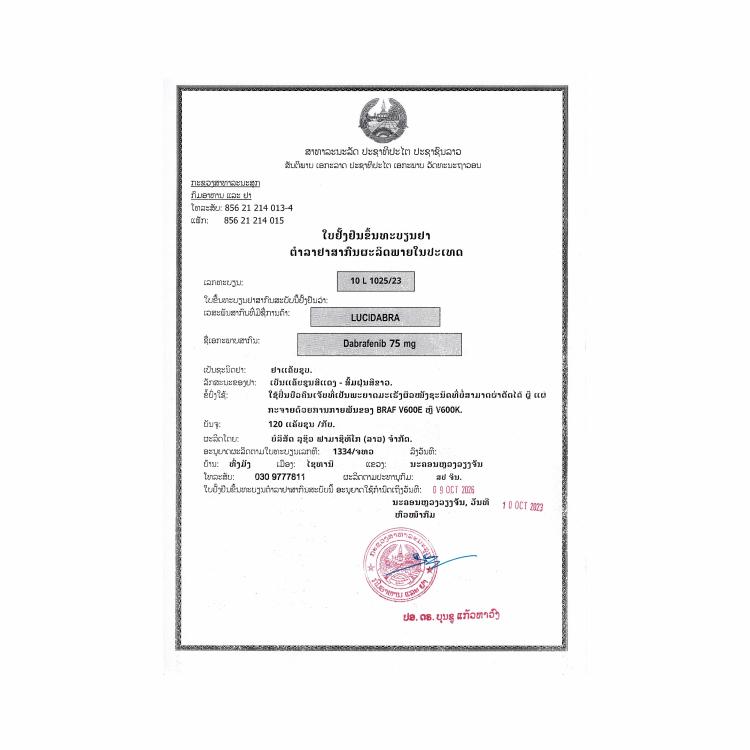
Dabrafenib capsules 75 mg/capsule, 120 capsules/box
Medication Safety Tips
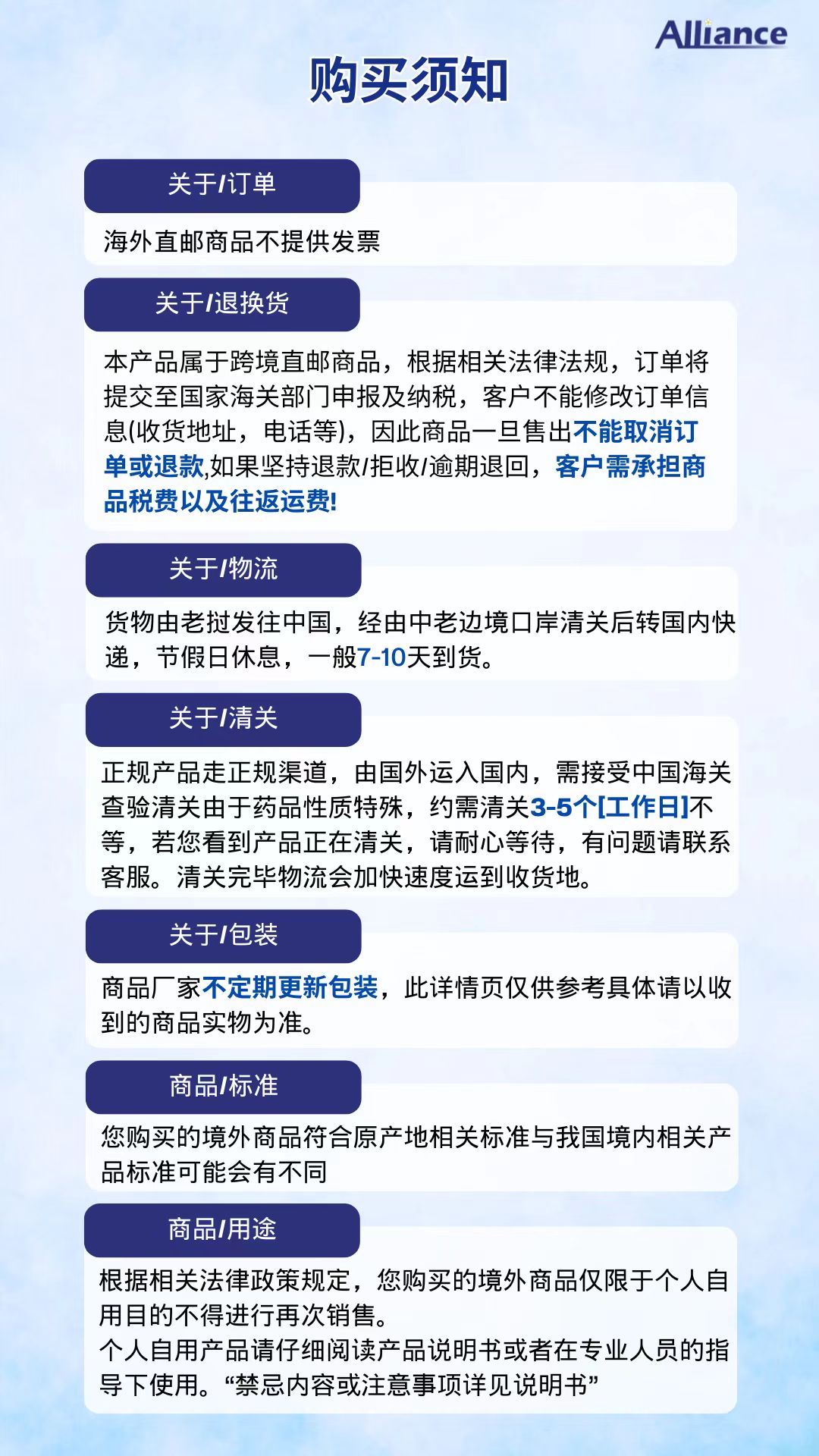
Use this product according to its instructions, medical advice, and your health needs. Shipping is arranged after payment once the order meets dispatch requirements.
- Contraindications
- Warnings and Precautions
• New primary skin and non-cutaneous malignancies: may occur when LuciDabra is taken alone or in combination with trametinib. Monitor patients for new malignancies before, during, and after treatment discontinuation.
• Tumor-promoting in BRAF wild-type tumors: BRAF inhibitors can lead to increased cell proliferation.
• Bleeding: Serious bleeding events may occur in patients receiving LuciDabra in combination with trametinib. Monitor for signs and symptoms of bleeding.
• Cardiomyopathy: left ventricular ejection fraction (LVEF) is assessed prior to treatment with LuciDabra and trametinib, one month after treatment, and every 2 to 3 months thereafter.
• Uveitis: Any visual impairment is assessed ophthalmologically.
• Severe fever reaction: The use of LuciDabra and trametinib increases the incidence and severity of fever.
• Severe skin toxicity: Monitor for skin toxicity. In the event of an intolerable grade 2 or 3 or 4 rash that does not improve within 3 weeks of discontinuation of LuciDabra, the drug should be discontinued. In case of severe skin adverse reactions (scar), the drug should be permanently discontinued.
• Hyperglycemia: Monitor blood glucose levels in patients with diabetes or hyperglycemia.
• Glucose-6-phosphate dehydrogenase deficiency (G6PD): Monitor hemolytic anemia closely.
• Hemophagocytic lymphohistiocytosis (HLH): treatment should be interrupted if HLH is suspected. If HLH is confirmed, treatment should be discontinued.
• Embryo-fetal toxicity: May cause harm to the fetus. Women of childbearing potential are advised to be aware of the potential risks to the fetus and to use effective non-hormonal methods of contraception. - Medication risks
- Adverse Reactions
The most common adverse effects (≥ 20%) of LuciDabra monotherapy are hyperkeratosis, headache, fever, arthralgia, papilloma, alopecia, and palmoplantar swelling syndrome.
The most common adverse effects (≥ 20%) of LuciDabra in combination with trametinib include:
• Unresectable or metastatic melanoma: fever, rash, chills, headache, joint pain, and cough.
• Adjuvant treatment for melanoma: fever, fatigue, nausea, headache, rash, chills, diarrhea, vomiting, joint pain, and myalgia.
• NSCLC: fever, fatigue, nausea, vomiting, diarrhea, dry skin, loss of appetite, edema, rash, chills, bleeding, cough, and difficulty breathing.
• Adult patients with solid tumors: fever, fatigue, nausea, rash, chills, headache, bleeding, cough, vomiting, constipation, diarrhea, myalgia, joint pain, and edema.
• Children with solid tumors: fever, rash, vomiting, fatigue, dry skin, cough, diarrhea, acne-like dermatitis, headache, abdominal pain, nausea, bleeding, constipation, and gingivitis.
• Children with LGG: fever, rash, headache, vomiting, musculoskeletal pain, fatigue, diarrhea, dry skin, nausea, bleeding, abdominal pain, and acne-like dermatitis.
Product Information
Usage Notes
Customer Reviews
Reviews from customers who completed a purchase.
No reviews yet. Complete a purchase to share your experience.