 Official Store · Authenticity Guaranteed
US$450.00US$900.00
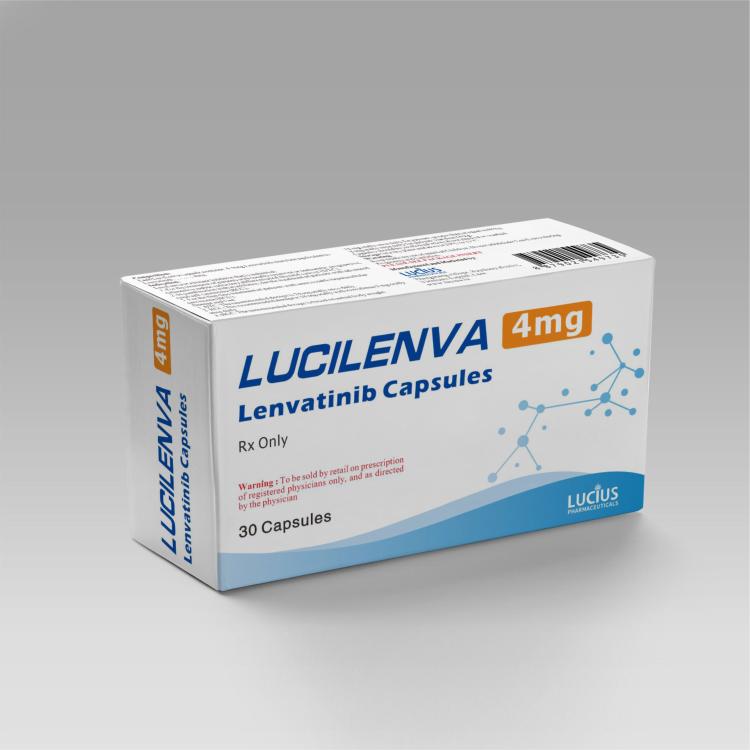
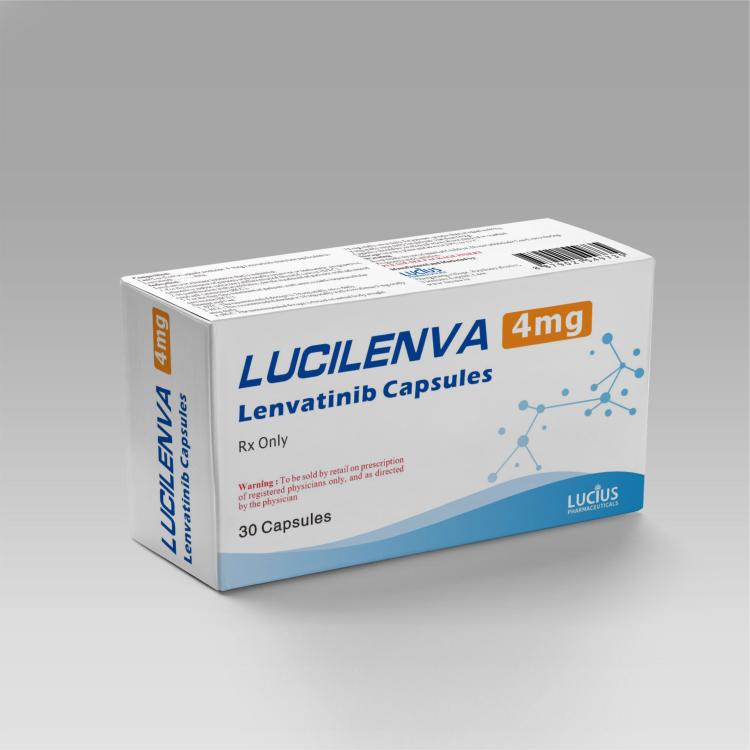
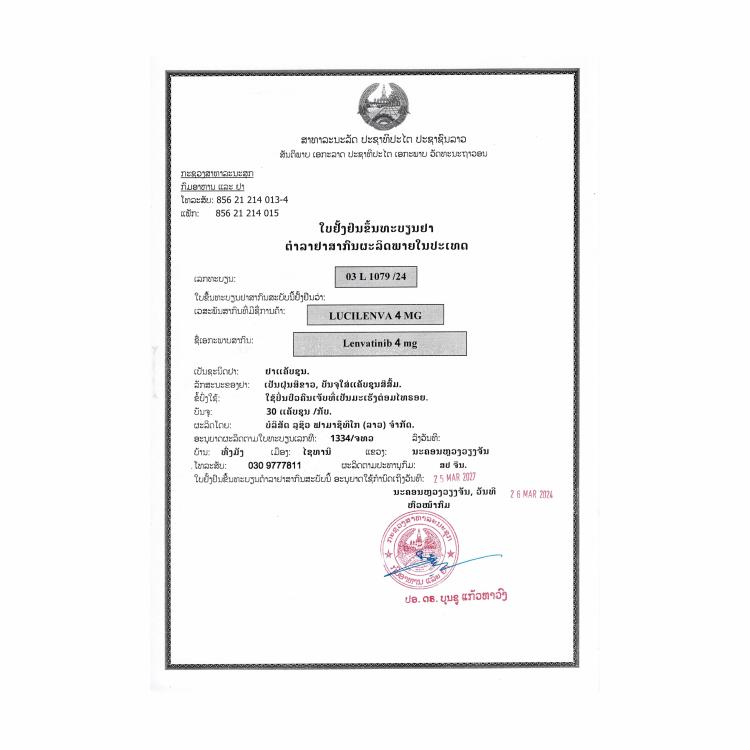
Levatinib 4 mg Lenvatinib capsules 4 mg/capsule, 30 capsules/box
Medication Safety Tips
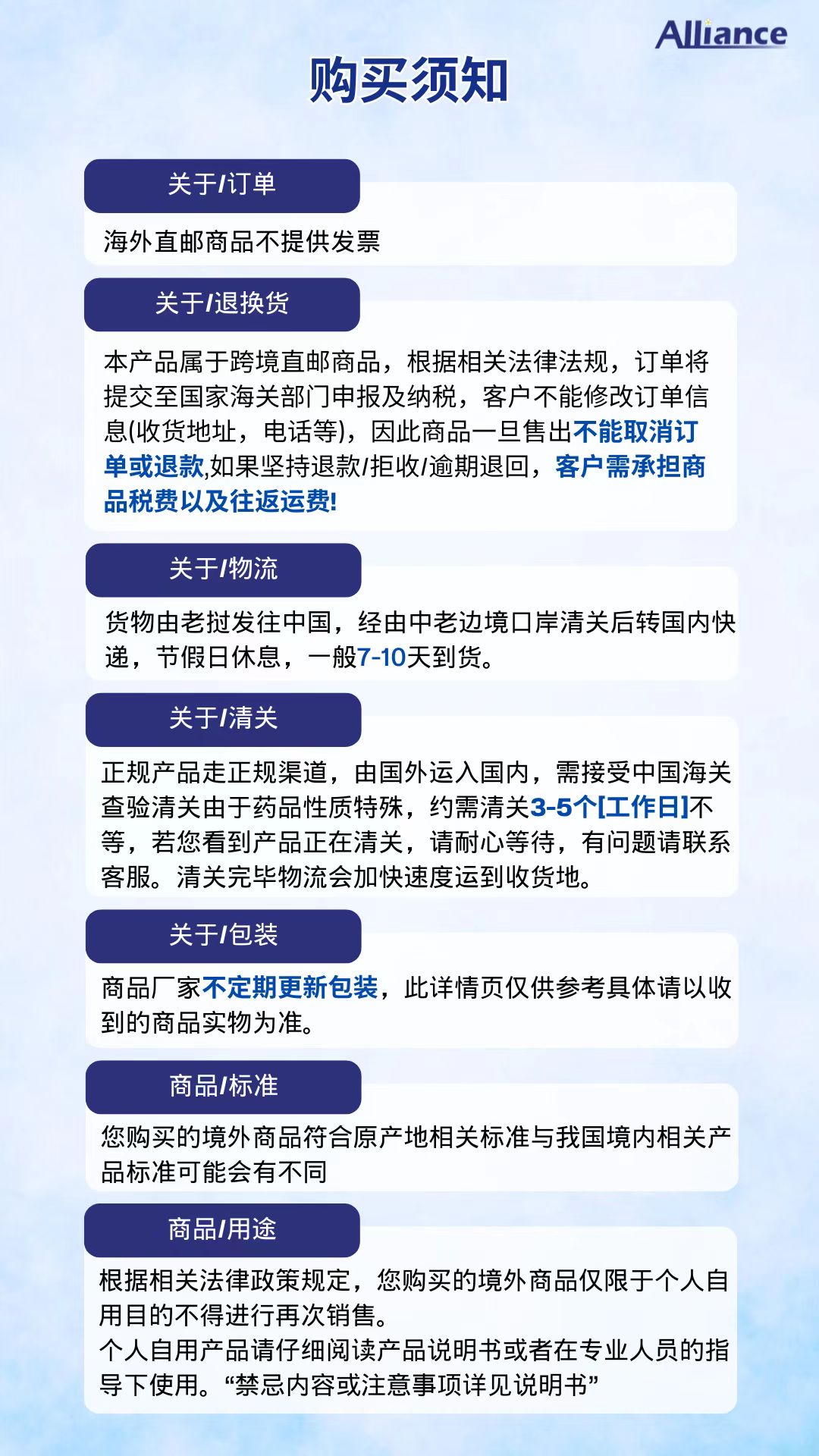
Use this product according to its instructions, medical advice, and your health needs. Shipping is arranged after payment once the order meets dispatch requirements.
- Contraindications
- Warnings and Precautions
• Blood Pressure: control blood pressure before treatment and monitor during treatment. Despite the best anti-Blood Pressure treatment, Grade 3 Blood Pressure is still present and should be discontinued. Grade 4 Blood Pressure should be discontinued.
• Cardiac dysfunction: Monitor clinical signs or symptoms of cardiac dysfunction. Grade 3 cardiac dysfunction should be discontinued or discontinued. Grade 4 cardiac dysfunction should be discontinued.
• Arterial thromboembolic events: discontinuation after an arterial thromboembolic event.
• Hepatotoxicity: Monitor liver function before treatment and regularly during treatment. Grade 3 or 4 hepatotoxicity should be discontinued or discontinued. Hepatic failure should be discontinued.
• Renal failure or renal insufficiency: Grade 3 or 4 renal failure or renal insufficiency should be discontinued or discontinued.
• Proteinuria: Pre-treatment monitoring of proteinuria and regular monitoring of proteinuria during treatment. Proteinuria of 2 grams or more within 24 hours should be discontinued. Nephrotic syndrome should be discontinued.
• Diarrhea: May be severe and recurrent. Immediately begin treatment for severe diarrhea. Discontinuation or discontinuation depending on the severity.
• Fistula formation and gastrointestinal perforation: discontinuation in patients with grade 3 or 4 fistula or any grade of gastrointestinal perforation.
• Prolonged QT interval: monitor and correct electrolyte abnormalities. Discontinue when the QT interval is greater than 500 milliseconds or the baseline QT interval increases by 60 milliseconds or more.
• Hypocalcemia: Monitor blood calcium levels at least once a month and supplement with calcium as needed. Discontinuation or discontinuation depending on the severity.
• Reversible posterior leukoencephalopathy syndrome (RPLS): patients with RPLS are discontinued until complete remission or discontinuation.
• Bleeding events: discontinuation or discontinuation depending on the severity.
• Thyroid-stimulating hormone suppression/thyroid dysfunction: thyroid function is monitored before treatment and monthly during treatment.
• Impaired wound healing: discontinue use of Lucilenva at least 1 week prior to elective surgery. Do not use LUCILENVA for at least 2 weeks after major surgery until the wound has fully healed. The safety of resuming Lucilenva after resolution of wound healing complications has not been determined.
• Necrosis of the jaw: Consider prophylactic dental treatment prior to treatment with Lucilenva. Avoid invasive dental procedures whenever possible, especially for high-risk patients.
• Embryo-fetal toxicity: May cause harm to the fetus. Women of childbearing potential are advised to be aware of the potential risks to the fetus and to use effective contraception. - Medication risks
- Adverse Reactions
• In DTC, the most common adverse reactions (incidence ≥ 30%) of Lucilenva are Blood Pressure, fatigue, diarrhea, arthralgia/myalgia, decreased appetite, weight loss, nausea, stomatitis, headache, vomiting, proteinuria, palm-foot swelling dysesthesia syndrome, abdominal pain, and dysphonia.
• In RCC:
o The most common adverse reactions (incidence ≥ 20%) of LUCILENVA and pembrolizumab are fatigue, diarrhea, musculoskeletal pain, hypothyroidism, Blood Pressure, stomatitis, decreased appetite, rash, nausea, weight loss, dysphonia, proteinuria, palmar sole redness paresthesia syndrome, abdominal pain, bleeding events, vomiting, constipation, hepatotoxicity, headache, and acute kidney injury.
o The most common adverse reactions (incidence ≥ 30%) of Lucilenva and everolimus are diarrhea, fatigue, arthralgia/myalgia, decreased appetite, vomiting, nausea, stomatitis/oral inflammation, Blood Pressure, peripheral edema, cough, abdominal pain, dyspnea, rash, weight loss, bleeding events, and proteinuria.
• In HCC, the most common adverse reactions (incidence ≥ 20%) of Lucilenva are Blood Pressure, fatigue, diarrhea, decreased appetite, arthralgia/myalgia, weight loss, abdominal pain, palmar plantar swelling dysesthesia syndrome, proteinuria, dysphonia, bleeding events, hypothyroidism, and nausea.
• In EC, the most common adverse effects (incidence ≥ 20%) of Lucilenva and pembrolizumab are hypothyroidism, Blood Pressure, fatigue, diarrhea, musculoskeletal disorders, nausea, decreased appetite, vomiting, stomatitis, weight loss, abdominal pain, urinary tract infections, proteinuria, constipation, headache, bleeding events, palmar plantar redness, dysphonia, and rash.
Product Information
Usage Notes
Customer Reviews
Reviews from customers who completed a purchase.
No reviews yet. Complete a purchase to share your experience.