 Official Store · Authenticity Guaranteed
US$1,800.00US$400.00
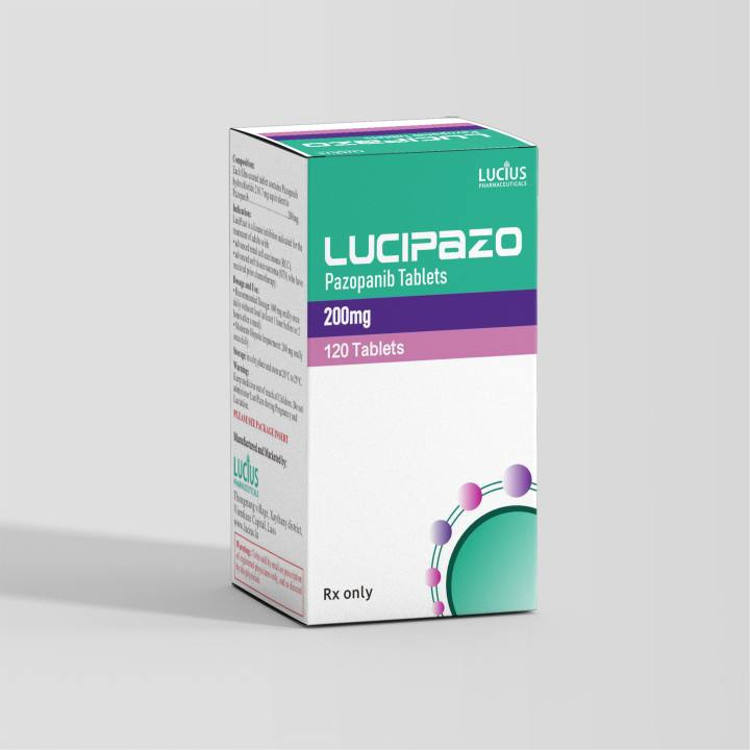
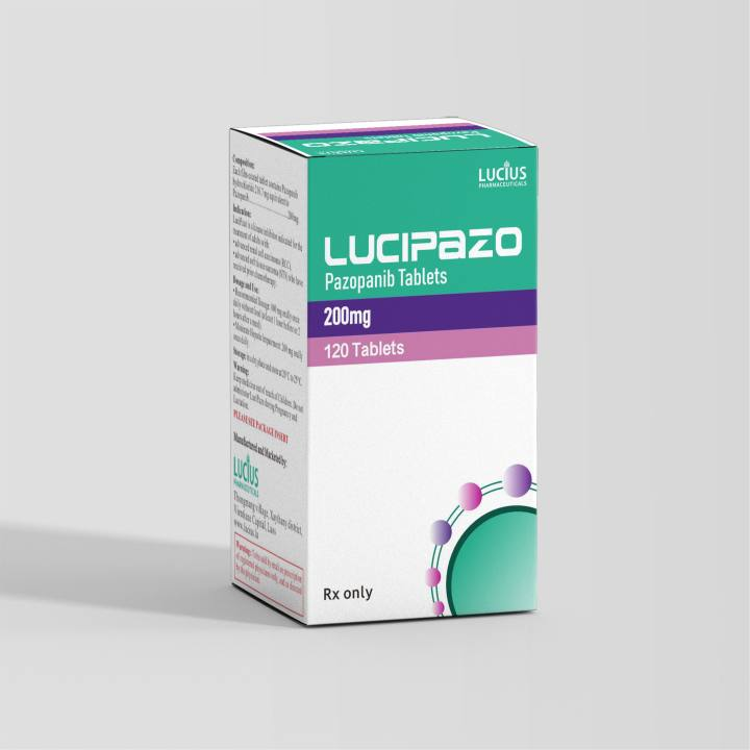
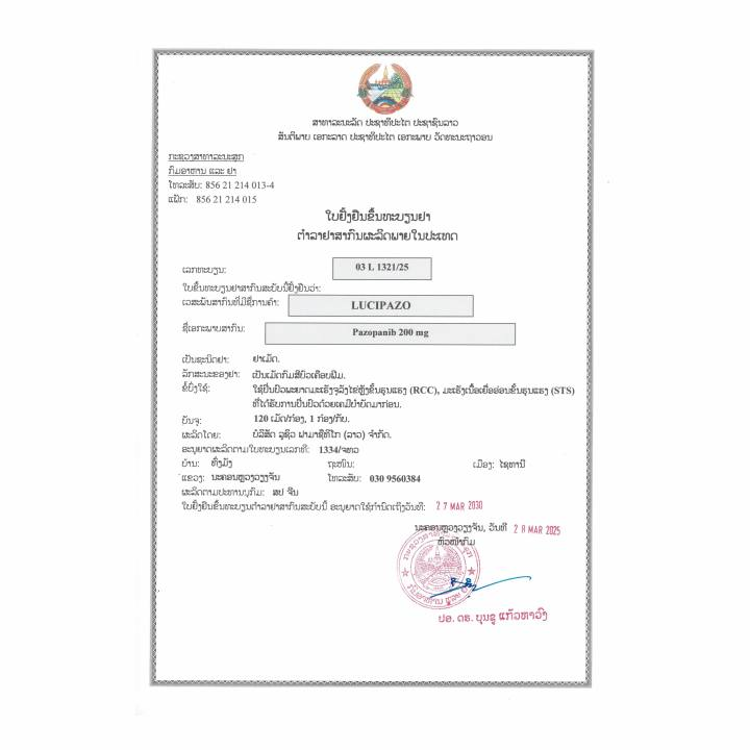
Pazopanib 200mg Pazopanib tablets 200mg/tablet, 120 tablets/box
Medication Safety Tips
Use this product according to its instructions, medical advice, and your health needs. Shipping is arranged after payment once the order meets dispatch requirements.
- Contraindications
- Warnings and Precautions
• Hepatotoxicity: Severe and fatal hepatotoxicity has occurred. Monitor baseline liver function tests periodically during treatment and as clinically indicated. Suspend LuciPazo to resume with reduced dose and continue to be monitored weekly for 8 weeks or permanently discontinued and monitored weekly until resolved according to severity of hepatotoxicity.
• QT prolongation and torsional ventricular tachycardia: Monitor patients at significant risk of QT prolongation. Monitor electrocardiogram (ECG) and electrolytes during treatment and as clinically indicated. Correct hypokalemia, hypomagnesemia, and hypocalcemia before and during treatment with LuciPazo.
• Cardiac dysfunction: Cardiac dysfunction has occurred, including decreased left ventricular ejection fraction (LVEF) and congestive heart failure. Monitor blood pressure and dispose of as appropriate. Monitor for clinical signs or symptoms of congestive heart failure. Baseline and periodic LVEF assessments for patients at risk of cardiac dysfunction. Suspend or permanently disable LuciPazo, depending on the severity of cardiac dysfunction.
• Bleeding event: A fatal bleeding event has occurred. LuciPazo has not been studied in patients with a history of hemoptysis, cerebral hemorrhage, or clinically significant gastrointestinal bleeding within the past 6 months. Suspend LuciPazo and resume or permanently discontinue with a reduced dose, depending on the severity of the bleeding event.
• Arterial thromboembolic events: Arterial thromboembolic events have been observed and can be fatal. LuciPazo has not been studied in patients who have had an arterial thromboembolic event within the past 6 months. In the event of an arterial thromboembolic event, permanently discontinue LuciPazo.
• Venous thromboembolic events: Venous thromboembolic events (VTE) have been observed, including fatal pulmonary embolism (PE). Monitor for signs and symptoms of VTE and PE. Discontinue LuciPazo and return to the same dose or permanently discontinue, depending on the severity of the VTE.
• Thrombotic microangiopathy: Thrombotic microangiopathy (TMA) has been observed, including thrombotic thrombocytopenic purpura (TTP) and hemolytic uremic syndrome (Hus). If TMA occurs, permanently deactivate LuciPazo.
• Gastrointestinal perforation and fistula: Fatal perforation events have occurred. Monitor for signs and symptoms of gastrointestinal perforation or fistula. In case of Grade 2 or Grade 3 gastrointestinal fistula, interrupt LuciPazo and resume at medical discretion. In case of gastrointestinal perforation or Grade 4 gastrointestinal fistula, permanently discontinue LuciPazo.
• Interstitial lung disease/pneumonia: can be fatal. Monitor the patient's lungs for symptoms. In case of interstitial lung disease (ILD) or pneumonia, permanently discontinue LuciPazo.
• Reversible Posterior Encephalopathy Syndrome: May be fatal. In case of reversible posterior encephalopathy syndrome (Pres), permanently discontinue LuciPazo.
• Blood Pressure: Blood Pressure has been observed, including the Blood Pressure crisis. Do not use LuciPazo on uncontrolled Blood Pressure patients. Optimize your blood pressure before you start using LuciPazo. Monitor blood pressure as clinically indicated and initiate and adjust anti-Blood Pressure therapy as appropriate. Suspend and reduce the dose of LuciPazo or permanently discontinue, depending on the severity of the Blood Pressure.
• Risk of impaired wound healing: discontinue use of LuciPazo at least 1 week prior to elective surgery. Do not use for at least 2 weeks after major surgery until the wound has fully healed. The safety of returning to LuciPazo after resolution of wound healing complications has not been determined.
• Hypothyroidism: Thyroid tests are monitored during treatment and as clinically indicated, and hypothyroidism is treated as appropriate.
• Proteinuria: baseline and periodic urinalysis during treatment and follow-up measurements of 24-hour urinary protein as clinically indicated. Depending on the severity of the proteinuria, discontinue LuciPazo and then resume or permanently discontinue at a lower dose. Permanently discontinued in patients with nephrotic syndrome.
• Tumor Lysis Syndrome: Cases of Tumor Lysis Syndrome (TLS) (some fatal) have been reported in patients with RCC and sts. Patients at risk are closely monitored and treated as clinically indicated.
• Infections: Serious infections (with or without neutropenia) have been reported, some of which can even lead to death. Monitor for signs and symptoms of infection. Take appropriate anti-infective treatment immediately. Consider interrupting or discontinuing LuciPazo.
• Embryo-fetal toxicity: May cause harm to the fetus. Women of childbearing potential are advised to be aware of the potential risks to the fetus and the patient and to use effective contraception. - Medication risks
- Adverse Reactions
• The most common adverse reactions in patients with renal cell carcinoma (≥ 20%) are diarrhea, Blood Pressure, color change (discoloration), nausea, anorexia, and vomiting.
• The most common adverse reactions in patients with sts (≥ 20%) are fatigue, diarrhea, nausea, weight loss, Blood Pressure, decreased appetite, vomiting, tumor pain, changes in hair color, musculoskeletal pain, headache, taste disorders, dyspnea, and hypochromia.
Product Information

Usage Notes
Customer Reviews
Reviews from customers who completed a purchase.
No reviews yet. Complete a purchase to share your experience.